The Urgent Need for Sustainable and Affordable Housing By Kevin Edmundson
Abstract Housing insecurity is a persistent and worsening crisis in the United States, characterized by a severe shortage of affordable housing, rising homelessness, and increased vulnerability among certain populations, particularly veterans. This paper examines current statistical data, analyzes key contributing factors, and explores sustainable, modular housing solutions as implemented by Viviscent Wellness Foundation. Recommendations for policy and cross-sector collaboration are provided to address the root causes and mitigate the crisis.
Keywords: affordable housing, homelessness, veterans, housing insecurity, sustainable housing, modular housing
Introduction Housing represents far more than shelter; it embodies security, dignity, and the foundation upon which individuals and families build their lives. However, the United States currently faces a profound housing crisis marked by an alarming shortage of affordable housing, a steep rise in homelessness, and extensive economic and social implications. Addressing these issues is both an economic and ethical necessity.
Scope and Magnitude of the Housing Crisis According to the National Low Income Housing Coalition (2023), the U.S. faces a deficit of approximately 7.1 million affordable homes for extremely low-income renters, with only 35 affordable units available for every 100 extremely low-income households (https://nlihc.org/gap). This shortage forces nearly three-quarters of extremely low-income renters to dedicate more than half their income to housing, significantly elevating their risk of homelessness and economic instability (NLIHC, 2023).
Homelessness trends are similarly concerning. The U.S. Department of Housing and Urban Development (HUD) (2023) reported that around 653,000 individuals experienced homelessness on a single night in January 2023—a 12% increase from the previous year and the highest level since federal tracking began in 2007 (https://www.hudexchange.info/resource/annual-homeless-assessment-report/). Alarmingly, nearly 40% of these individuals were unsheltered, residing in streets, vehicles, and informal encampments.
Veterans and Housing Insecurity Veterans are disproportionately impacted by the housing crisis, facing unique and intensified challenges upon reintegration into civilian life. As of 2023, HUD documented approximately 35,574 homeless veterans, representing a 7% increase from the previous year. Moreover, approximately 666,000 veterans reside in households facing severe housing cost burdens, spending over half their income on rent and utilities (HUD, 2023; U.S. Department of Veterans Affairs, 2023). These statistics highlight not only veteran homelessness but also pervasive housing insecurity among this critical population group (https://www.va.gov/homelessness/veteran-factsheet).
Key Drivers of Housing Insecurity Several intertwined factors drive housing insecurity in the United States:
- Shortage of affordable housing: An insufficient supply of low-cost housing is a fundamental driver, as demand significantly outstrips available units (NLIHC, 2023).
- Economic hardship: Rising rents coupled with stagnant or declining wages exacerbate housing affordability issues, rendering many unable to afford stable housing (HUD, 2023).
- Personal crises: Mental health challenges, addiction issues, and domestic violence frequently precipitate homelessness, particularly in the absence of adequate support systems (https://endhomelessness.org/domestic-violence).
- Systemic inequities: Structural racism and discriminatory housing practices have historically disadvantaged communities of color, disproportionately impacting Black Americans who constitute about 37% of the homeless population despite representing only 13% of the general population (HUD, 2023).
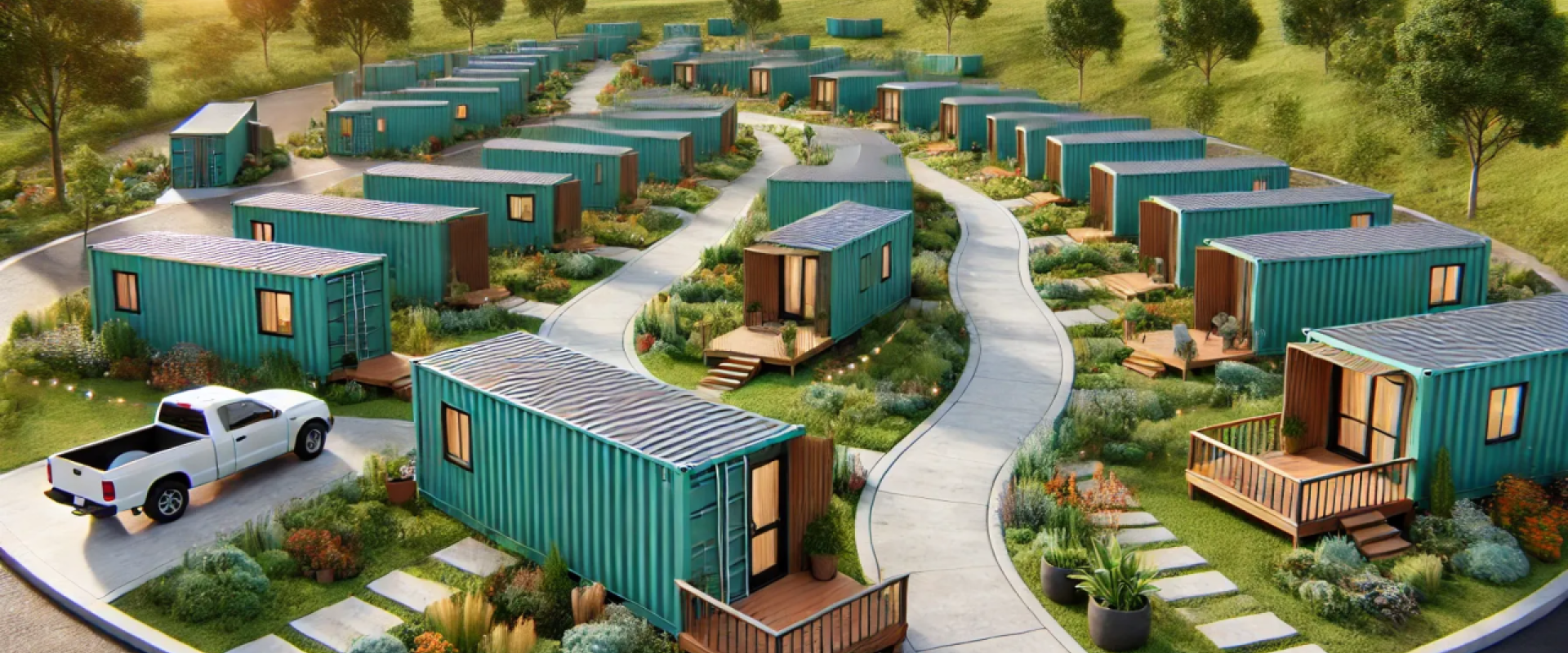
Sustainable and Innovative Solutions Viviscent Wellness Foundation has actively pursued innovative solutions aimed at mitigating the housing crisis through sustainable, modular housing projects. The Foundation’s "A Place to Call Home - Hope in Action" campaign utilizes recycled shipping containers and integrates sustainable practices such as solar power, rainwater harvesting, and energy-efficient appliances. These initiatives, implemented in Florida, Alabama, and across the U.S., illustrate the viability of scalable, affordable, and sustainable housing models. These developments not only provide shelter but also promote community resilience and stability by addressing broader social determinants of health, including education, employment, and healthcare.
Detailed Case Studies Viviscent Wellness Foundation’s projects offer concrete examples of effective housing solutions. In Alabama, the "Hope on Second" project will establish 47 modular container homes specifically for veterans and underserved families, providing both immediate relief and long-term stability. Similarly, the Florida initiatives include comprehensive community planning that integrates supportive services such as job training, healthcare access, and educational resources, all critical for sustainable outcomes.
Impacts of Housing Insecurity on Health and Economic Stability Housing insecurity severely impacts individual health outcomes, with those experiencing homelessness facing heightened risks of chronic illnesses, mental health issues, and increased mortality rates. Economic stability also suffers, as unstable housing inhibits employment opportunities and educational attainment. Children in unstable housing are more likely to struggle academically, affecting long-term economic prospects. Thus, stable housing is not just a basic human need but also a crucial component for holistic health and economic well-being.
Role of Technology and Innovation in Housing Solutions Technology and innovation play vital roles in addressing housing challenges. Modular housing construction, as employed by Viviscent Wellness Foundation, offers a cost-effective, scalable, and environmentally friendly solution compared to traditional construction methods. Advanced sustainable technologies like solar power, smart home systems, and water conservation practices further reduce costs and environmental impact, making housing not only affordable but also sustainable in the long term.
Policy Recommendations and Collaborative Efforts Effectively addressing the housing crisis requires comprehensive and collaborative action across multiple sectors:
- Expansion of federal and state funding for affordable housing programs, specifically targeting extremely low-income populations.
- Implementation of inclusive zoning practices that facilitate the development of affordable and workforce housing.
- Increased support for mental health, substance abuse, and domestic violence intervention programs to address underlying causes of homelessness.
- Reinforcement of anti-discriminatory policies to address racial disparities in housing accessibility and stability.
- Promotion of public-private partnerships to expand sustainable and innovative housing solutions, leveraging resources across governmental, business, and nonprofit sectors.
Conclusion The current housing crisis demands urgent, multifaceted action. Innovative and sustainable approaches, coupled with robust policy interventions, offer viable paths forward. Organizations like Viviscent Wellness Foundation demonstrate the potential of modular and sustainable housing solutions to create meaningful, lasting change. However, comprehensive collaboration and ongoing commitment across all sectors remain essential to achieving lasting housing stability for all Americans.